If you’ve ever driven through a busy town centre or a packed residential street in the UK, you’ll have seen double yellow lines marking the edge of the road. For most drivers, they’re a clear signal: no waiting, no parking. But for Blue Badge holders, the rules aren’t always so black and white.
One of the most common questions people ask is whether having a Blue Badge allows you to park on double yellow lines—and the short answer is yes, in many situations. But like most things related to parking regulations, the reality is more nuanced. There are important conditions, exceptions, and responsibilities that every badge holder (and their drivers) should understand.
This guide breaks it all down in a clear way—so you know exactly where you stand.
Understanding Double Yellow Lines
Before exploring Blue Badge rules, it’s worth quickly revisiting what double yellow lines actually mean.
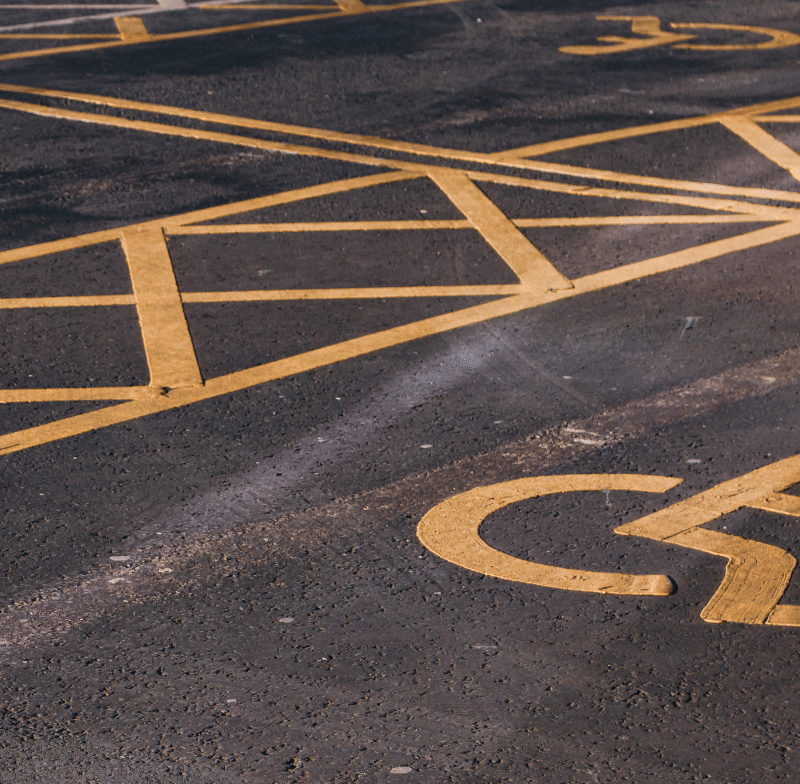
In the UK, double yellow lines indicate that waiting is prohibited at any time. That means you can’t park there, regardless of the day or hour. These restrictions are typically put in place to keep traffic flowing, ensure visibility, and maintain safety—especially on narrow or busy roads.
However, these rules are designed with general traffic in mind. The Blue Badge scheme exists specifically to provide flexibility for people with disabilities, recognising that standard parking restrictions don’t always meet their needs.
The Blue Badge Exception: What’s Allowed?
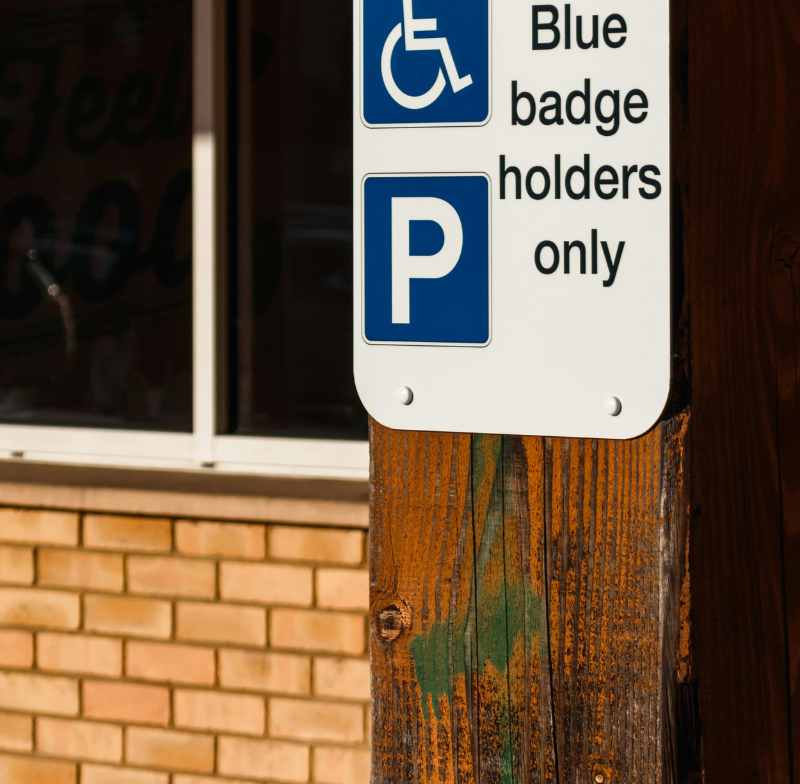
As a Blue Badge holder, you are allowed to park on double yellow lines—but only under certain conditions.
You can park on double yellow lines for up to three hours, as long as:
- You are not causing an obstruction
- There are no additional restrictions in place (more on that shortly)
- Your Blue Badge is clearly displayed
- Your parking clock (time disc) is set and visible
That three-hour allowance can make a huge difference, especially when accessible parking bays aren’t available nearby.
But it’s not a free pass to park anywhere without thinking. There are still rules you need to follow carefully.
Displaying Your Badge Correctly
This is one area where people often slip up.
When parking on double yellow lines using a Blue Badge, you must:
- Display the badge on the dashboard or fascia panel
- Ensure the front of the badge (with the expiry date and hologram) is clearly visible
- Set your parking clock to show your arrival time
If you don’t display both the badge and the clock properly, you could still receive a penalty—even if you’re otherwise allowed to park there.
When You Cannot Park on Double Yellow Lines
While the Blue Badge offers flexibility, there are important situations where you cannot park on double yellow lines.
1. Loading Restrictions Are in Place
If you see yellow markings on the kerb (small yellow lines painted perpendicular to the road), this indicates a loading restriction.
- Single kerb markings: No loading at certain times
- Double kerb markings: No loading at any time
If loading is restricted, Blue Badge holders are not allowed to park there at all—even for a short period.
This is one of the most commonly misunderstood rules, and it’s easy to miss if you’re not looking closely at the kerb.
2. You’re Causing an Obstruction
Even with a Blue Badge, you must not park in a way that blocks:
- Pedestrian crossings
- Junctions
- Narrow roads where traffic can’t pass
- Access points like driveways or dropped kerbs
The key principle is that your parking should not create danger or inconvenience for others.
3. Local Restrictions Apply
Some areas—particularly city centres—have additional local rules that override standard Blue Badge concessions.
For example, certain roads may be part of controlled parking zones with stricter regulations. In some cases, local authorities may completely prohibit Blue Badge parking on specific stretches of road.
That’s why it’s always worth checking nearby signage before leaving your vehicle.
What About Single Yellow Lines?
While this article focuses on double yellow lines, it’s worth briefly mentioning single yellow lines too.
Single yellow lines usually indicate restricted parking during certain hours. Outside those times, anyone can park there. During restricted hours, Blue Badge holders can typically park for up to three hours, just like with double yellow lines—unless signage says otherwise.
Again, always check the nearby signs for exact timings and rules.
The Importance of the Three-Hour Limit
The three-hour rule isn’t just a guideline—it’s a strict limit.
Once you’ve parked on double yellow lines using your Blue Badge, you must not stay longer than three hours. After leaving, you also shouldn’t return to the same spot within a short period, as this can be interpreted as exceeding the allowed time.
Parking enforcement officers do check clocks, and overstaying can result in a fine.
Practical Tips for Blue Badge Parking
If you regularly rely on your Blue Badge, a few simple habits can save you stress (and potential penalties):
- Always carry your clock: It’s just as important as the badge itself
- Double-check kerb markings: They’re easy to overlook but crucial
- Look for signage: Especially in unfamiliar areas
- Park considerately: Think about pedestrians, cyclists, and other drivers
- Set reminders: If you’re prone to losing track of time, set an alarm on your phone
These small steps can make a big difference in staying within the rules.
Common Myths About Blue Badge Parking
There’s a lot of confusion out there, so let’s clear up a few common myths.
“I can park anywhere with a Blue Badge.”
Not true. There are still restrictions, especially where safety is concerned.
“I don’t need to display the clock.”
You do when parking on yellow lines. Skipping this step can lead to a fine.
“Double yellow lines always allow Blue Badge parking.”
Only if there are no loading restrictions and no other local rules preventing it.
Why These Rules Exist
It’s easy to see parking rules as frustrating, especially when you’re trying to get somewhere important. But the Blue Badge scheme is designed to strike a balance.
On one hand, it provides essential flexibility for people who need closer access to destinations. On the other, it ensures roads remain safe and functional for everyone.
Understanding the rules isn’t just about avoiding fines—it’s about using the scheme responsibly so it continues to work for those who depend on it.
Final Thoughts
So, can you park on double yellow lines with a Blue Badge in the UK?
Yes—you can, for up to three hours, provided you follow the rules. That means displaying your badge and clock correctly, avoiding areas with loading restrictions, and making sure you’re not causing an obstruction.
It’s a valuable concession that can make everyday travel much more manageable. But like any privilege, it comes with responsibilities.
If you’re ever unsure, take a moment to check the signs, look at the kerb markings, and think about how your parking might affect others. A little extra attention can go a long way.
And if you’re new to the Blue Badge scheme or helping someone who is, taking the time to understand these details will make life on the road a whole lot smoother.
Discover more from The Blue Badge Blog
Subscribe to get the latest posts sent to your email.

Leave a Reply