In the UK, the phrase “not all disabilities are visible” has become more recognised over the last few years, but it’s still often misunderstood. You may have seen signs on public toilets, parking bays, or transport seats that use these words — reminding people that disability doesn’t always come with a wheelchair, walking stick, or guide dog. The message is simple but powerful: some people live with disabilities or health conditions that you can’t immediately see. These are called invisible or hidden disabilities, and they can have just as big an impact on someone’s daily life as visible ones.
A hidden disability might not leave a visible mark, but it can affect how a person moves, thinks, feels, or interacts with the world. Recognising this is key to creating a more understanding, inclusive society — one where people don’t have to constantly explain or prove their struggles just to be treated with respect.
Understanding Invisible Disabilities
Invisible disabilities cover a wide range of conditions. They can be physical, mental, neurological, or cognitive. Many people live with more than one. What they all share is that others might not notice them straight away, yet they still cause real challenges.
Mental Health Conditions
Mental health difficulties such as depression, anxiety disorders, bipolar disorder, post-traumatic stress disorder (PTSD), and obsessive-compulsive disorder (OCD) are some of the most common invisible disabilities. They can affect concentration, mood, motivation, and energy levels. Someone may appear fine outwardly, smiling or chatting normally, but inside they could be fighting overwhelming anxiety or deep emotional exhaustion. Because mental health struggles are internal, they’re often misunderstood as a lack of effort or a personal weakness — when in reality, they are medical conditions that deserve empathy and proper support.
Chronic Pain and Fatigue
Conditions like fibromyalgia, chronic fatigue syndrome (ME/CFS), arthritis, or endometriosis can cause ongoing pain and exhaustion that may not be visible to others. Imagine waking up every day feeling like you’ve run a marathon before even getting out of bed. Tasks that others take for granted — grocery shopping, commuting, or meeting friends — can feel impossible. Yet, because there’s no cast, crutch, or visible sign of pain, people with chronic pain or fatigue are often met with scepticism or judgement, especially when they use accessible facilities or ask for help.
Neurodevelopmental Conditions
Neurodevelopmental conditions such as autism spectrum disorder (ASD) and attention deficit hyperactivity disorder (ADHD) can also be invisible. People with these conditions might process information, communicate, or respond to environments differently. Bright lights, loud noises, or crowded places can be overwhelming. Some may find social interactions difficult, while others may struggle with attention, organisation, or sensory overload. Understanding that these differences are not behavioural “problems” but part of how someone’s brain works is essential to supporting neurodivergent individuals.
Cognitive Impairments
Cognitive impairments can result from brain injuries, dementia, learning disabilities, or neurological conditions that affect memory, reasoning, or understanding. For instance, someone might appear physically fit but struggle to remember instructions or navigate unfamiliar places. Cognitive disabilities are often misunderstood because they don’t always “look” like a disability — which can lead to unfair judgement or lack of patience from others.
Chronic Illnesses
Many chronic illnesses, like diabetes, Crohn’s disease, multiple sclerosis (MS), lupus, or heart disease, are invisible but significantly affect daily life. Symptoms might come and go, meaning a person can look well one day and need urgent rest or medical care the next. This unpredictability can make it hard for others to understand why someone needs flexibility or special consideration.
Why Awareness Matters
Understanding that not all disabilities are visible isn’t just about politeness — it’s about equality and dignity. When society recognises invisible disabilities, it helps remove unnecessary barriers for millions of people.
Awareness encourages compassion rather than assumption. Instead of questioning why someone is using a priority seat or disabled parking space, we can trust that they need it. It prevents awkward confrontations and emotional harm that can happen when someone feels they must justify their disability to a stranger.
Awareness also drives accessibility. Businesses, workplaces, and public spaces that recognise invisible disabilities can design better support — such as quiet rooms, flexible working options, or clearer signage. Making these adjustments helps people with hidden conditions participate more fully in everyday life.
Most importantly, awareness helps reduce stigma. Many people with invisible disabilities stay silent because they fear disbelief or judgement. By normalising the idea that disability doesn’t always show, we create an environment where people can ask for what they need without shame.
Preventing Assumptions
One of the most damaging experiences for people with hidden disabilities is being judged for “not looking disabled.” Comments like “you don’t look ill” or “you’re too young for that” might seem harmless but can invalidate a person’s lived reality. Disabilities don’t have an age, a look, or a specific pattern.
Before assuming someone is “fine” because they appear well, remember that you can’t see pain, anxiety, or neurological differences. It’s always better to lead with kindness and curiosity rather than assumption.
Ensuring Access and Inclusion
Accessibility is about more than ramps and lifts — it’s about ensuring that everyone can take part equally. For invisible disabilities, that might mean:
- Allowing flexible work schedules for those with fatigue or fluctuating symptoms
- Providing clear written instructions or quiet environments for neurodivergent people
- Offering mental health support in workplaces and schools
- Designing spaces that include rest areas or sensory-friendly zones
Inclusive design and policy make life easier not just for disabled people but for everyone. It builds a society that values empathy and understanding over convenience.
Reducing Stigma
Stigma often grows from what people don’t understand. For generations, disability was seen as something obvious — visible, physical, and easy to identify. But as awareness grows, so should our compassion. When people feel safe to share their invisible struggles, it strengthens communities and reduces isolation.
Talking openly about mental health, chronic illness, and neurodiversity helps break down harmful stereotypes. Every time we choose empathy over judgment, we make the world a bit more inclusive.
The Sunflower Symbol: A Subtle Sign of Support
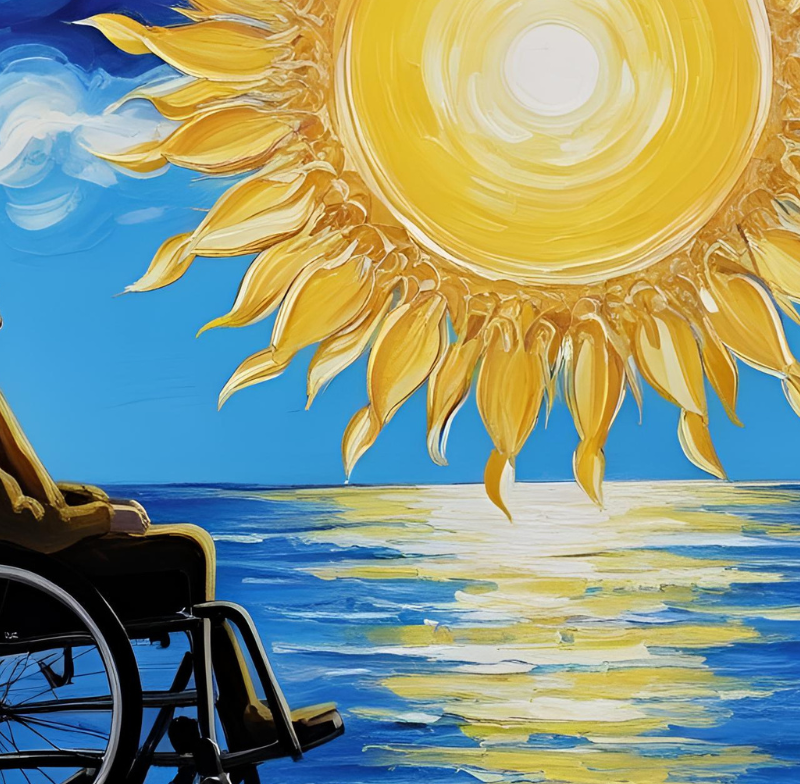
You might have noticed people wearing a lanyard or badge with a sunflower pattern — often in airports, supermarkets, or train stations. This is the Hidden Disabilities Sunflower, a UK-born initiative now recognised globally.
The sunflower symbol quietly communicates that the wearer has a hidden disability and may need a little extra time, understanding, or assistance. It’s voluntary and non-intrusive — a way for people to signal they might need support without having to explain their condition every time. Staff in many public places are trained to recognise the symbol and respond with patience and kindness.
The sunflower doesn’t label or define anyone. It simply opens the door to understanding. By recognising it, we can help make everyday life smoother and less stressful for those living with invisible disabilities.
A More Understanding Future
“Not all disabilities are visible” isn’t just a slogan — it’s a reminder to look beyond appearances. Whether it’s mental health struggles, chronic pain, neurodivergence, or an ongoing illness, millions of people in the UK live with conditions that can’t be seen but are deeply felt.
By learning, listening, and staying open-minded, we can make sure that everyone — visible or not — feels respected, supported, and seen. The more we understand invisible disabilities, the closer we come to building a truly inclusive society.
Discover more from The Blue Badge Blog
Subscribe to get the latest posts sent to your email.


Leave a Reply